

High-end architecture in the Alps: 2 schools, an infinite number of styles [Interview with Jean-Mouchet]
"All wood is too much!" Jean-Marc Mouchet, interior designer
Warm, comfortable, and inviting, the "chalet" style is an integral part of the mountain experience. How can we enhance its traditional character, or conversely, reinvent it to give it a more contemporary feel? We explore this with Jean-Marc Mouchet, an interior designer based in Savoie.
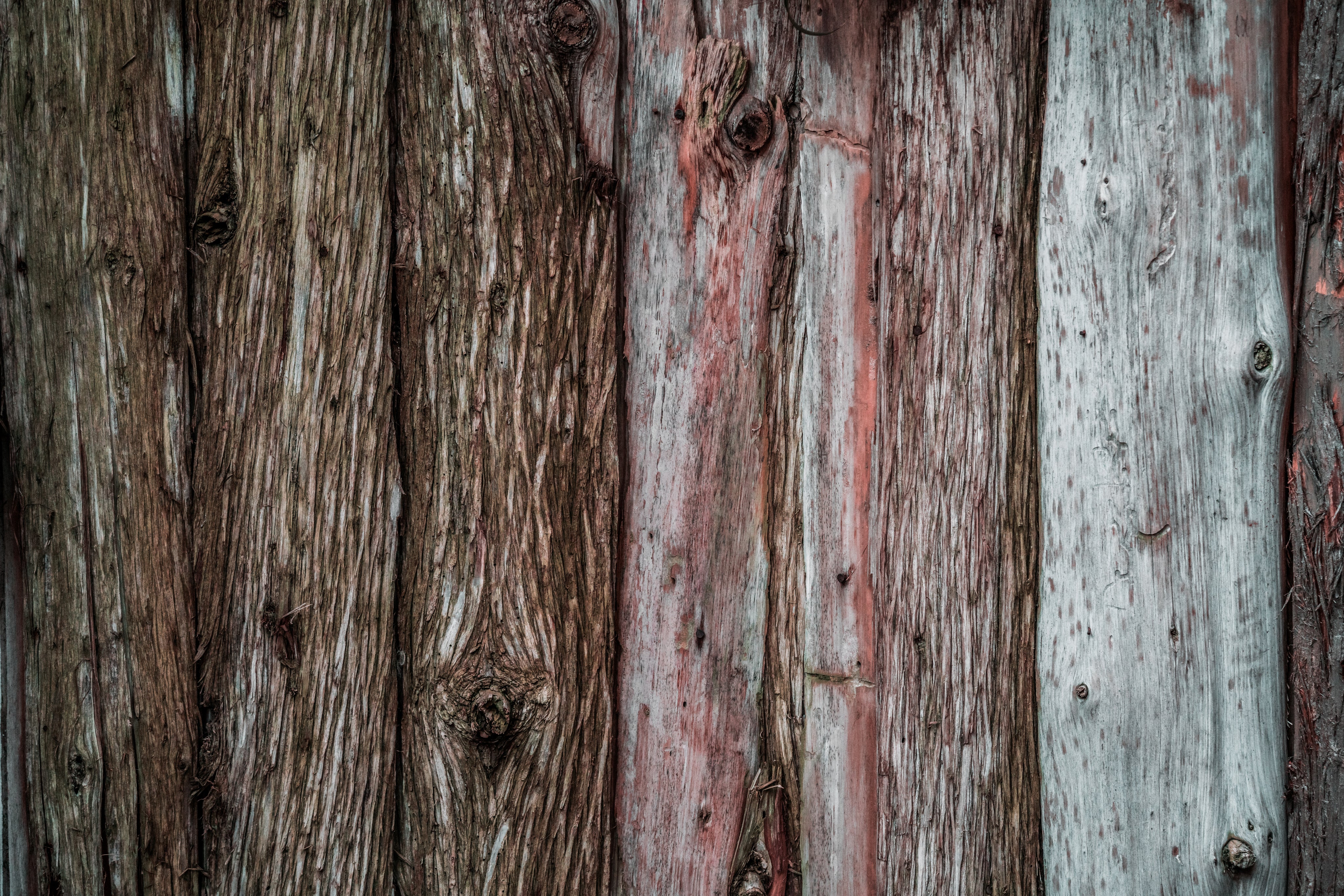
50 Shades of Wood
Whether modern or traditional style, wood is the starting point and the pillar of mountain architecture and decoration. “ There are many different styles when we talk about chalets ,” but wood is the common denominator. Jean-Marc Mouchet explains: “ Everything is always enhanced by the choice of wood. Whether it’s new wood or old wood, the essential thing, in the end, is the ambiance, the atmosphere. ”
What is the traditional mountain style?
Let's review the historical, decorative and architectural elements that make up this "chalet" spirit which still appeals today.
The chalet: a rural heritage to be valued
The history of traditional mountain dwellings begins with the chalet. Built of wood (sometimes stone), it initially housed rural activities: cheese was made in the summer in the alpine pastures, people lived there during the summer season to take care of the livestock… and then people stayed there for holidays.
Megève offers beautiful examples of this traditional architectural heritage, as Jean-Marc Mouchet explains: " There are still magnificent farmhouses and a desire to rebuild chalets exactly as they were, in the Megève spirit ." The spirit of a preserved Alpine village with a family atmosphere.
Lines that are arranged around the post and beam
One of the main architectural characteristics of traditional chalets is the post-and-beam construction: this technique involves forming the chalet's skeleton using wooden beams (reinforced with metal in more modern approaches). This skeleton is traditionally clad with planks or wood, or even concrete or glass in more contemporary designs. How does this spirit extend to the interior of the chalets?
All wood is too much!
“ All wood is too much! ” summarizes Jean-Marc Mouchet. So how do interior design professionals reinterpret the traditional style without distorting it? To modernize it, one can first play with the wood's color, as the expert advises: “ New wood with an Austrian stain and sanding, for example, gives a more contemporary result. ”
It is also about combining wood with materials that are both traditional, simple and noble: " We also use stone and metal: classic materials that have always been found in chalets! "
In the realm of furnishings, wool is the quintessential mountain fabric, especially when woven in France from Alpine sheep. This is the case, for example, with Bonneval cloth, made using the same method for two centuries. Its durability is matched only by its simplicity.
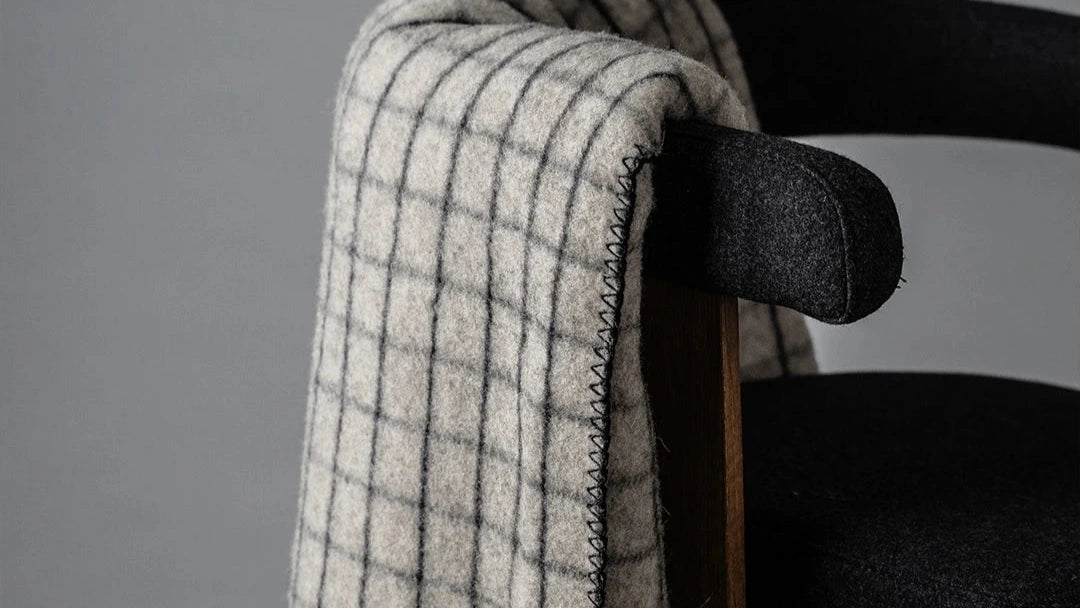
The color scheme of traditional chalets is based on neutral shades, which can be cool or warm: greyish browns, creamy whites, or even shades of taupe… not forgetting red, in small touches.
The interior designer's idea: a traditional and original material
To enhance the décor of an all-wood chalet in Megève, Jean-Marc Mouchet had the original idea of incorporating horsehair into the interior design. "We stretched panels across the walls and ceiling to create a sort of horsehair box. " A true jewel box!
What is Alpine modernism?
Alongside traditional chalets, a more modern architectural heritage has emerged in the mountains. Here's an overview of its characteristics and style.
A heritage stemming from the "Thirty Glorious Years"
Although skiing has been practiced around Megève and Chamonix since the 19th century, winter sports as we know them today developed primarily in the 1960s. To accommodate a wider public, a new generation of leisure resorts emerged in the following decades.
Mountain architecture now takes urban planning constraints into account, and each resort responds with its own style. Rather than adhering to specific movements or schools, modern mountain architecture reflects the visions of architects… always in service of the public. This is a point that remains relevant today: when discussing architectural trends in the mountains, Jean-Marc Mouchet doesn't speak of movements or styles. He describes the architects' approach instead as an " adaptation based on need and space. "
Brutalist, minimalist or organic: each station has its own style
Which resorts are emblematic of contemporary architecture? " In contrast to Megève, we can cite Avoriaz or Flaine ," explains Jean-Marc Mouchet. He specifies that these two resorts represent " very different movements in the history of mountaineering. " On the one hand, an " extraordinary DNA " for Avoriaz, where the buildings adapt to the topography, in a car-free resort. On the other, an example of brutalism adapted to the geographical particularities of the mountains for Flaine, which came to life from the sketches of Marcel Breuer, a brutalist architect. The resort plays on contrast: the angles and straight lines of the concrete stand in opposition to the ruggedness of the mountain environment.
Alpine heritage: the treasures left by Charlotte Perriand
Among the architectural treasures of Alpine modernism, we should also mention the Les Arcs project: Charlotte Perriand, a brilliant architect, designed the apartments there as private chalets. With minimalist furniture and layouts open to the outdoors, the apartments are designed to connect their inhabitants to the beauty of the surrounding landscapes.
A luxury born from the blending of genres
How is this mix of styles reflected inside homes? Where traditional style tends towards neutral colors, contemporary renovations play more on contrasts, as if to match a wild environment.
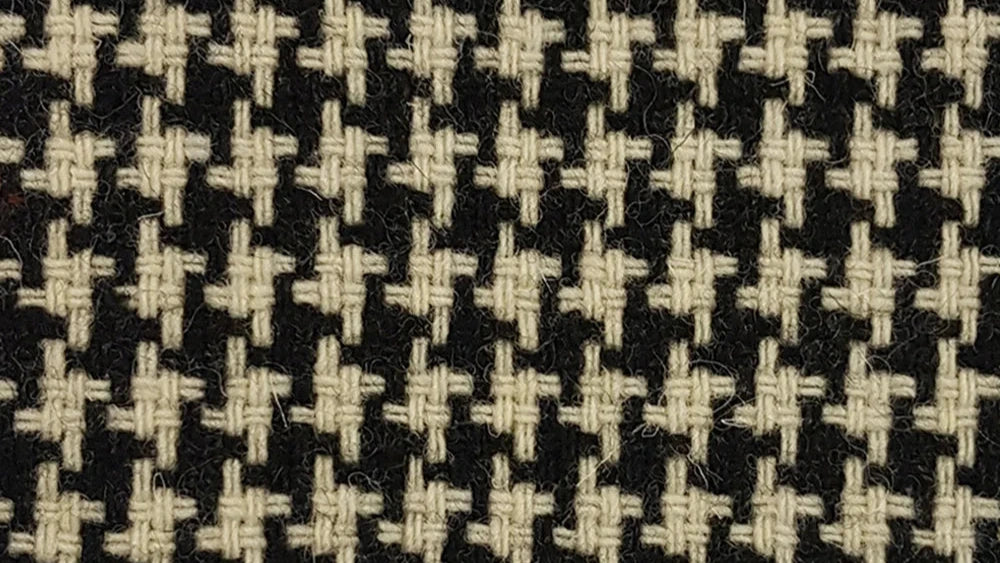
Jean-Marc Mouchet gives the example of a project centered on windblown timber (dead wood). The very dark hue of this wood was the starting point for a contrasting approach: “ A completely black and white chalet. We had the paneling brushed and whitewashed. Then we laid black parquet flooring, heavily sanded, with a wonderful black stain. ” The result is both mountain and contemporary: “In the end, you still get a chalet, but with a very different atmosphere. ”
To play on contrasts, it's also possible to introduce less traditional wall coverings into luxury chalets: " Wall coverings that have nothing to do with wood. For example, we use plant-based materials more commonly found in the South, " explains Jean-Marc Mouchet, mentioning hemp wall coverings woven from abaca, as well as wallpapers, used sparingly. Playing on contrast, but always with the finest materials to offer maximum character and comfort: could this, ultimately, be the essence of the mountain spirit?
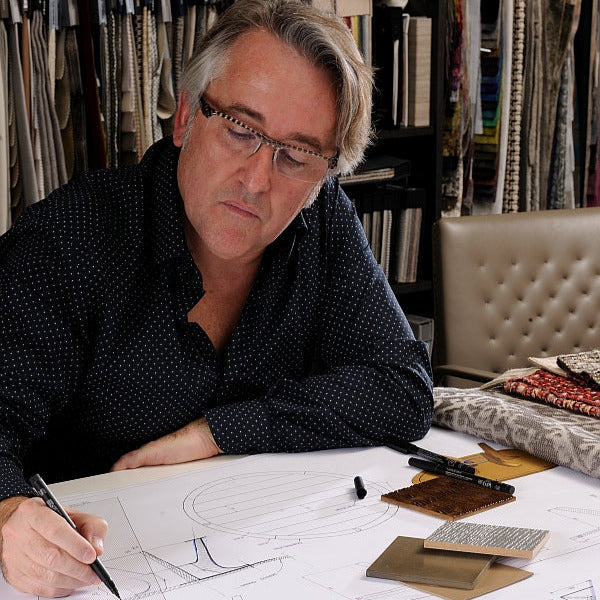
Jean-Marc Mouchet, interior designer
“ Interior designers are often confused with decorators, ” explains Jean-Marc Mouchet. While he delights his clients with his furniture designs and decorating inspirations, his work goes beyond a simple appreciation for detail. At the agency he founded in 1993 , he creates spaces or completely reorganizes layouts. Villas, apartments, chalets, or hotels: the unique atmospheres he brings to life highlight the architectural heritage of the mountains, while adapting to the needs and tastes of each of his clients.